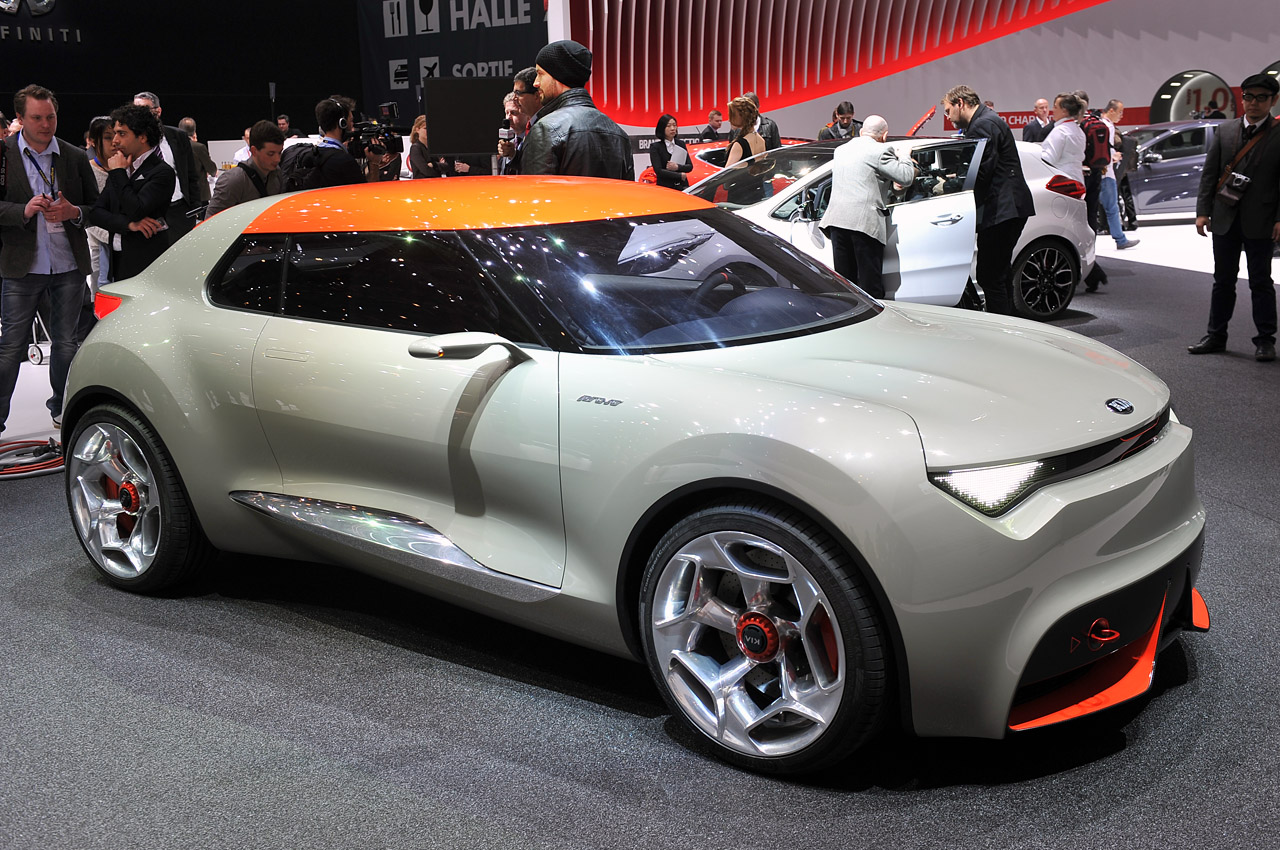
Provo concept name has Kia embroiled in terrorism controversy? In the relatively lengthy press release that Kia composed for the launch of its Provo concept car at the Geneva Motor Show this week, the company never mentioned where the name came from, or what it means for the car. A very basic web search for "Provo" reveals that the inspiration for the hatch could have been a city in Utah, a township in South Dakota or a village in Bosnia. The name could be a reference to either an American (Fred) or Canadian (Dwayne) football player, and Provo might also accurately reference a "Dutch counterculture movement in the mid-1960s" or a ship in the US Navy. More likely than any of those, however, is that the Kia designers of the concept – a car that was wholly a product of the Korean automaker's design studios in Frankfurt, for the record – meant it as a play on the existing Pro_cee'd hatchback . What the designers and Kia executives that signed of...
BMW Designs A 42-Wheel, 19-Engine Car To Fulfill One Child’s Fantasy BMW is one of those companies that gets respect and guff in big, heaping piles around here. They certainly make plenty of spectacular, iconic cars, from the 2002 to E30s to the 507 to even the little Isetta. They also sometimes seem to generate a following of arrogant, parking-line-ignorers . Two sides of the big BMW coin. Today, however, BMW is very very okay in my book. Because they took real serious-business company time to make this wonderful rendering of a four-year old's dream car. That four-year old gearhead is Eli, and Eli's dream was of a 19-engined (Porsche engines, which BMW must have forgotten to notate), 42-wheeled BMW monster with a trunk full of toys. And three driving positions, and all kinds of other good stuff only four-year old minds can emit. BMW did say they wanted a crack at this, and I'm delighted they actually followed thr...
2014 Aston Martin Vanquish DBS replacement takes cues from One-77. After just a six-year run, Aston Martin's DBS will be replaced by a new range topper that will resurrect the Vanquish name and will be built off the fourth generation of the British automaker's innovative VH platform. The new car, available in either 2-seat or 2+2 configurations, is longer, taller and wider than the DBS and incorporates styling elements first seen on the One-77 supercar. 2014 Aston Martin Vanquish The familiar Aston Martin grille is set in a much more aggressive front fascia that includes a carbon-fiber splitter. The body features flowing character lines and more pronounced rear DBS replacement takes cues from One-77 fender forms that add to the car's muscular shape. Carbon fiber is also used on the stepped side sills and rear diffuser. The greenhouse has a sleeker look with the rear quarter windows tucked in, further accentuating the width of the Vanquish...



Comments
Post a Comment